

Why Choosing a Facial Cleanser Feels So Overwhelming
Walk down the cleanser aisle at any drugstore and you'll find at least five different formats alone — foams, mousses, gels, oils, and powders — with dozens of brands on top of that. Every package promises to "protect moisture" or "unclog pores," so it's no surprise many people end up sticking with whatever they happened to grab, without ever knowing if it's actually right for them.
Cleanser is also one of the rare skincare products where a poor match shows up as a clear, visible problem. Too much cleansing power strips away oils your skin needs, leading to dryness and flaking. Too little leaves clogged pores and blackheads behind. No matter how good your toner or serum is, if the cleansing step before it is off, the whole routine is built on a shaky foundation.
This article breaks down five criteria you can judge a cleanser by using only what's printed on the package — ingredients and texture — then compares seven popular products on their strengths and weaknesses. By the end, you should be able to narrow things down to the one product that actually fits your skin type and lifestyle.
---
How to Choose a Facial Cleanser: 5 Criteria for Getting It Right
1. Identify the Cleansing Agent Type from the Ingredient List
What defines a cleanser's personality is the cleansing agent (surfactant) listed near the top of the ingredients. This alone tells you a lot about how your skin will feel afterward.
- Amino acid-based: Look for names like "cocoyl glutamate" or "lauroyl methylalanine." Gentle cleansing power with less tightness after washing. Good for dry or sensitive skin
- Soap-based: Combinations like "myristic acid" or "stearic acid" with "potassium hydroxide." Leaves a refreshingly clean feel and removes oil effectively, though it can feel harsh on dry skin
- Sulfonate/sulfate-based: Ingredients like "sulfosuccinate" or "laureth sulfate." Foams well with strong cleansing power. Suited to oilier skin
Since ingredients are listed in order of concentration, get in the habit of checking what comes right after water and glycerin — it'll save you from a lot of mismatches.
2. Let Texture Determine Friction and Daily Sustainability
Even with the same formula, texture changes how the product interacts with your skin.
Pump or stand-type foam cleansers dispense pre-made foam, skipping the lathering step and the friction of rubbing your hands together. Great for busy mornings or anyone who struggles to build lather. Tube foam cleansers require you to lather them yourself, but a rich, dense foam gives you a better balance of cleansing power and gentleness. Oil and gel cleansers are designed to blend with makeup and sebum for removal, cutting down the cleansing process itself.
The biggest cause of skin damage during cleansing is friction. It's fair to weigh "can I realistically keep using this format every day with minimal effort?" just as heavily as the ingredients.
3. Whether Double Cleansing Is Required Changes Your Routine's Step Count
For anyone who wears makeup, a key distinction is whether cleansing and makeup removal are separate steps or combined into one.
- Double-cleansing required: Makeup remover, then cleanser — two steps. Splitting the cleansing power across two products lets each be formulated more gently
- Double-cleansing not required: One step does it all. Fewer steps mean less friction overall, but since a single product has to remove everything, it may feel stronger depending on your skin type
It's also practical to keep two products on hand — a standalone cleanser for sunscreen-only days, and a makeup remover for full-makeup days.
4. Are the Functional Ingredients "Protective" or "Deep-Cleansing"?
Functional ingredients in cleansers generally fall into two camps.
Protective ingredients include ceramides (or ceramide-like compounds), amino acids, and plant oils. These work to preserve moisture after cleansing and are common in products for dry or sensitive skin. Deep-cleansing ingredients include enzymes, clay, charcoal, and AHA/BHA — these target dead skin and excess sebum, and tend to appear in products for pore concerns or oily skin.
One detail that's easy to miss is the "quasi-drug" (medicated) labeling. Quasi-drug products contain active ingredients — such as dipotassium glycyrrhizinate — at regulated concentrations, with a stated purpose of preventing acne and skin irritation. The word "medicated" on the package is a clear signal worth watching for.
5. Estimate Running Cost from Volume and Usage Amount
Since cleanser is a daily-use, twice-a-day product, how long a bottle lasts really affects your actual cost.
As a general guideline, tube foam cleansers typically call for about 2–3cm (roughly 1g) per use, while pump-type foam cleansers are usually recommended at 2–3 pumps. From there, you can estimate that a 120g tube used morning and night will last around two months.
Foam pump types are convenient, but since each pump dispenses a fixed amount, the consumption pace is predictable — and harder to stretch out. Checking the volume and recommended usage amount together helps you avoid the surprise of running out faster than expected.
---
Spec Comparison Table
| Product | Texture | Cleansing Tendency | Key Selling Points | Double Cleansing |
|---|---|---|---|---|
| Curél Foaming Wash | Pump foam | Weakly acidic, gentle | Ceramide care, low-irritation formula | Required |
| FANCL Mild Cleansing Oil | Oil | Blends with makeup for removal | Additive-free formula, one-step | Not required |
| ORBIS Clear Fit Wash | Foam (self-lather) | Focused on sebum/dead skin | Medicated formula, acne prevention | Required |
| Cetaphil Gentle Skin Cleanser | Cream/lotion | Low-irritation, gentle | Gentle for everyday use | Required |
| Biore Foaming Stand Cleanser | Stand foam | Standard to refreshing | No lathering needed, large capacity | Required |
| Kose Sekkisei Clear Wellness Face Wash | Foam (self-lather) | Standard | Herbal extracts, brightening care | Required |
| Kiehl's Ultimate Damage-Repairing Face Wash | Foam/gel | Standard | Damage-repair formula | Required |
*The above reflects tendencies as published by each brand. Formulas may be updated over time, so check the latest product page before purchasing.
---
7 Recommended Facial Cleansers
1. Curél Foaming Wash
From Kao's ceramide-care brand Curél, this cleanser dispenses ready-made foam straight from the pump. Designed around ingredients that support ceramide function, it uses a weakly acidic formula focused on not stripping away too much moisture during cleansing. Since there's no lathering step required, it also cuts down the time spent washing your face.
Pros
- No lathering needed, reducing friction from rubbing your palms together
- Ceramide-care focus, designed for everyday use on drier skin
- Weakly acidic, fragrance-free, and dye-free — a simple formula with fewer irritants
Cons
- The gentle cleansing power may feel insufficient on high-oil days or after heavy makeup
- The pump dispenses a fixed amount, making it hard to fine-tune the quantity
Best for: Anyone dealing with dryness or tightness who wants to switch to a "gentler on skin" cleanser, or anyone who finds lathering a hassle and tends to rush through washing as a result.
---
🛒 Check the price →2. FANCL Mild Cleansing Oil
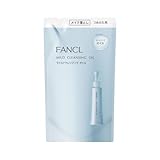
A staple oil cleanser from FANCL, known for additive-free cosmetics. It combines makeup removal and cleansing into a single, no-double-cleanse-needed step. In line with the brand's additive-free philosophy — no preservatives, fragrance, synthetic dyes, or petroleum-based surfactants — it comes in small bottles designed to be used up while fresh.
Pros
- Combines makeup removal and cleansing into one step, reducing how often you touch your face
- Additive-free formula gives a clear picture of what's in it, ideal if you want to avoid additives
- Some versions can be used with wet hands, making it convenient even in the bath
Cons
- The oil texture can leave a slippery residue that takes longer to rinse off
- Since it skips double cleansing, its cleansing power is on the stronger side and may feel intense for very dry skin
Best for: Anyone who wears makeup often and wants to cut down the number of skincare steps, or anyone who wants to finish their nighttime routine quickly.
---
🛒 Check the price →3. ORBIS Clear Fit Wash
A medicated foaming cleanser from ORBIS's "Clear Fit" line, built around addressing recurring adult acne. As a quasi-drug, it contains active ingredients formulated to prevent skin irritation and acne, while also targeting excess sebum and dead skin cells. It's an oil-free line, making it easy to keep your entire routine consistent afterward.
Pros
- Quasi-drug (medicated) status with a clear purpose: preventing acne and skin irritation
- Targets sebum and dead skin, a good match for skin prone to shine and clogging around the T-zone
- The full line — including toner and moisturizer — lets you keep your routine consistent
Cons
- The refreshing finish can feel tight on drier areas like the cheeks
- Requires manual lathering, and insufficient foam can lead to friction
Best for: Combination-to-oily skin dealing with shine on the forehead and nose, clogged pores, and recurring acne all at once.
---
🛒 Check the price →4. Cetaphil Gentle Skin Cleanser
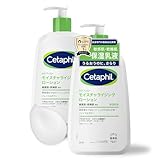
A product from Cetaphil, a skincare brand with a long global track record. Avoiding strong fragrance and excessive cleansing power, the brand's overall direction is built around gentle formulas meant for daily, repeated use. Its philosophy of washing while preserving moisture positions it as a daily-care option for drier skin.
Pros
- A low-irritation focus makes it easy to use even when skin feels unsettled during seasonal changes
- Understated fragrance, easy to use for anyone sensitive to scent
- Can be paired with the brand's broader body-care lineup for a consistent routine
Cons
- Gentle cleansing power means it's typically paired with a separate makeup remover on full-makeup days
- If you're used to foam-based cleansing, the "washed" feeling may seem subtle
Best for: Anyone with reactive skin prone to redness or stinging after washing, and anyone whose top priority is simply reducing irritation.
---
🛒 Check the price →5. Biore Foaming Stand Cleanser
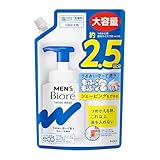
A stand-type foam cleanser designed to sit right on your sink. Its biggest value is lowering the barrier to washing your face — just press with one hand and foam comes out. It's widely available both in drugstores and online, with refill options too, making it easy to keep using long-term.
Pros
- The stand format sits stably in place and is easy to operate one-handed, fitting neatly into a morning routine
- No lathering needed, so there's nothing to explain if the whole family shares it
- Widely available, easy to restock when you run out
Cons
- You can't adjust the amount or density of foam, which may feel limiting if you're particular about that
- A general-purpose formula means it's not tailored to any specific skin concern
Best for: Anyone who wants a quick, no-fuss cleanser, families sharing one bottle, or first-timers trying a foam-type cleanser.
---
🛒 Check the price →6. Kose Sekkisei Clear Wellness Face Wash
Part of "Clear Wellness," the current lineup under the Sekkisei brand. It carries forward the brand's signature focus on Japanese and Chinese herbal extracts, including job's tears, while being refreshed with a more sustainability-conscious formula and packaging. It's designed to deliver a clean, clear finish.
Pros
- Built around herbal extracts, in line with Sekkisei's brand-wide design philosophy
- Can be paired with matching toner and emulsion for a consistent care direction
- A cohesive texture and packaging that feels satisfying to have on your sink
Cons
- Priced above typical drugstore budget options, adding up over daily use
- A fairly standard cleansing design — those wanting strong pore care or deep hydration may prefer other options
Best for: Anyone concerned about dullness who wants to build a brightening-focused routine using one brand from cleanser through toner.
---
🛒 Check the price →7. Kiehl's Ultimate Damage-Repairing Face Wash
A cleanser from Kiehl's damage-care line, part of the New York-born skincare brand. Designed as part of a series addressing skin conditions disrupted by dryness and external stressors, it focuses on leaving skin smooth after washing. The clean, cohesive packaging design is also a brand hallmark.
Pros
- Part of a damage-care line, easy to pair with matching serums and creams from the same series
- A calming scent and texture that makes the washing experience itself feel pleasant
- Distinctive design that also makes it an easy choice as a gift
Cons
- Sits at a higher price point, which can add up as a twice-daily consumable
- Limited retail availability means you may not always be able to restock nearby
Best for: Anyone willing to invest a bit more in skincare and build a full routine from the same line, as well as anyone shopping for a gift.
---
Choosing by Purpose
If you're reconsidering your cleanser for the first time, starting with the gentlest option is the safest move. Curél Foaming Wash skips lathering to reduce friction and uses a weakly acidic, gentle formula — making it a good benchmark for figuring out whether your previous cleanser was too harsh. If tightness eases after one to two weeks, that's your answer.
If cost and convenience matter most, Biore Foaming Stand Cleanser is the practical pick. Its availability and refill options mean sticking with it isn't a burden — and since cleansing is a daily habit, "easy to keep up" matters more than small formula differences.
If acne, pores, and sebum are your main concerns, the quasi-drug ORBIS Clear Fit Wash is the first choice. Choosing a product with a clearly stated preventive purpose lets you target the issue directly.
If your skin is extremely reactive, go with Cetaphil Gentle Skin Cleanser. Rather than chasing cleansing power, it starts by minimizing stress on your skin.
If you wear makeup often and want fewer steps, FANCL Mild Cleansing Oil completes everything in one step — reliable for protecting a tired end-of-day routine.
If you're a skincare enthusiast who wants something more premium, choose between Kose Sekkisei Clear Wellness Face Wash for a brightening focus, or Kiehl's Ultimate Damage-Repairing Face Wash for damage care, depending on your primary concern.
---
FAQ
Q. Should I use cleanser in the morning too?
It depends on your skin type. If your skin produces a lot of oil, it oxidizes overnight, so using cleanser in the morning helps control shine during the day. On the other hand, if your skin leans dry or sensitive, rinsing with lukewarm water alone may be enough. If your skin feels tight after a morning wash, switching to lukewarm water only in the morning and observing how your skin responds is one way to decide.
Q. My skin broke out after switching cleansers. Does that mean it doesn't suit me?
Stop using it first, and consider seeing a dermatologist if symptoms persist. That said, redness or stinging isn't always caused by the cleanser itself — sometimes it's the washing technique. Rinsing with water that's too hot, not rinsing thoroughly enough, or scrubbing too hard can all trigger irritation. When switching to a new cleanser, revisiting your rinsing temperature (lukewarm, around 32°C is a common guideline) and making sure you build a full lather before applying it to your skin can help you isolate the actual cause.
Q. If I use a no-double-cleanse-required makeup remover, do I still need a separate cleanser?
On days you wear makeup, a product explicitly labeled as not requiring double cleansing is fine to use on its own. However, for morning washing or on days without makeup, using a regular cleanser rather than a makeup remover puts less strain on your skin. Since makeup removers are fundamentally designed to remove makeup, it's best to assume you'll switch between the two depending on the purpose.
Q. How soon after opening should I use up a cleanser?
Cosmetics are generally recommended to be used within about six months of opening. Cleansers are often kept in humid, high-temperature spaces like the bathroom, and water contamination can degrade quality quickly. This is especially true for additive-free or low-preservative formulas, some of which are designed to be used up quickly in small volumes — so check the packaging for guidance.
Q. Should I use a foaming net?
If you're using a tube-type foam cleanser, yes — it helps reduce friction. Lathering with your hands alone often doesn't produce dense enough foam, causing your fingers to rub directly against your skin. A foaming net lets you build a springy, cushioning foam quickly. Just rinse and dry the net thoroughly after each use, and replace it once it shows wear. Note that pump or stand-type foam cleansers don't require a net.
---
Conclusion: Set Clear Criteria and Cleanser Shopping Gets Easy
When choosing a cleanser, there are five key points to check:
Based on these criteria, here's the bottom line by reader type: for reducing irritation first, go with Curél Foaming Wash; for convenience and value, Biore Foaming Stand Cleanser; for acne and pore concerns, ORBIS Clear Fit Wash; for extremely sensitive skin, Cetaphil Gentle Skin Cleanser; for fewer steps, FANCL Mild Cleansing Oil; and for skincare enthusiasts, Kose Sekkisei Clear Wellness Face Wash or Kiehl's Ultimate Damage-Repairing Face Wash.
Washing your face takes less than a minute each time, but you'll repeat it over 700 times a year. Since that repetition shapes the foundation of your skin, it's worth choosing with clear criteria rather than by habit alone.


![Nail Care Tools Comparison Ranking [2026 Latest]: A Complete Buying Guide](/images/eyecatch/articles/nail-care-products-ranking-2026.png)

![[2026 Latest] Shampoo Comparison: Best-Selling Drugstore and Salon Picks Ranked](/images/eyecatch/articles/shampoo-comparison-2026-best-ranking.png)
![[2026 Latest] Electric Toothbrush Comparison Ranking|The Ultimate Guide](/images/eyecatch/articles/electric-toothbrush-ranking-comparison.png)