

"Electric toothbrushes seem appealing, but there are so many types that it's hard to know which one to choose" — this is the most common concern when shopping for an electric toothbrush. Store shelves range from entry-level models costing just a few thousand yen to premium app-connected flagships costing tens of thousands, and to make things more confusing, manufacturers use fundamentally different technologies — "rotating" versus "sonic." Even comparing spec sheets side by side doesn't help much, since vibration counts are measured on completely different scales.
An often-overlooked factor is the ongoing cost of replacement brush heads after you buy the handle. Electric toothbrushes are built around a roughly three-month head replacement cycle, and over three to five years, the cumulative cost of replacement heads can easily exceed the price of the handle itself. The classic failure story — "I bought a cheap handle, but the running costs ended up being high" — usually comes from not checking the replacement cycle and head availability before purchase.
This article breaks down four criteria that actually matter when choosing an electric toothbrush, then compares seven leading models side by side on their specs. Each model includes not just its strengths but also its "points to watch," and the article closes with conclusions tailored to different reader types — beginners, budget-conscious buyers, and serious enthusiasts. By the end, you should have a clear idea of exactly which model is right for you.
How to Choose an Electric Toothbrush|4 Criteria That Prevent a Bad Purchase
1. Understand the Drive Type (Rotating vs. Sonic)
The drive mechanism has the biggest impact on how an electric toothbrush actually feels to use.
- Rotating type (Oral-B series): A round brush head rotates rapidly back and forth while vibrating, wrapping around and cleaning each tooth individually. It's strong at physically scraping plaque off the tooth surface, giving a clear "I'm really brushing" sensation. On the other hand, if you apply too much pressure, it can feel harsh, so people with sensitive gums should start on a gentler mode.
- Sonic type (Sonicare, Doltz series): An elongated brush head vibrates at around 31,000 movements per minute, and that vibration creates a fluid motion through saliva and toothpaste that reaches between teeth and near the gumline — areas the bristle tips can't touch directly. The sensation is milder, making it a good fit for anyone focused on gum care.
Neither type is objectively "better" — the right choice depends on your goal: "Concerned about surface stains and plaque → rotating type" / "Focused on gum and periodontal pocket care → sonic type."
2. Brushing Modes and Pressure Sensors
Higher-end models tend to offer more modes — clean, whitening, gum care, sensitive, and so on. That said, a higher mode count doesn't necessarily translate to higher satisfaction. What actually matters most is the pressure sensor.
The single most common mistake with electric toothbrushes is pressing too hard, which leads to gum recession and premature bristle wear. Models with a pressure sensor warn you with a light or vibration when you're pressing too firmly, helping you build the right technique over time. If this is your first electric toothbrush, prioritize checking for a pressure sensor over counting modes.
3. Replacement Head Running Costs and Availability
Brush heads should generally be replaced roughly every three months — that's four times a year, or eight per year for a two-person household. There are three things worth checking here.
4. Power Source and Portability
If you plan to keep it at home, a rechargeable model with a charging stand is convenient. Many models run for about two weeks on a single full charge, so you can even travel without bringing a charger. On the other hand, if you travel frequently for work or mainly use it at the office or while out, a slim battery-powered model is more practical. Battery-powered models eliminate the worry of running out of charge, and their compact size — small enough for a pouch — is their biggest advantage. A dual setup, with a rechargeable model as your main and a battery-powered model as backup, is also a reasonable choice.
Spec Comparison Table
| Product | Drive Type | Mode Range | Power Source | Key Features |
|---|---|---|---|---|
| Oral-B iO Series 9 | Rotating + micro-vibration | Extensive | Rechargeable (magnetic) | AI recognition + app connectivity, color display |
| Philips Sonicare DiamondClean | Sonic | Extensive | Rechargeable (glass charger) | Premium charging stand, travel case |
| Panasonic Doltz EW-DP52 | Sonic (linear) | Extensive | Rechargeable | Designed for Japanese dental structure, dual sonic vibration |
| Braun Oral-B Pro 3 3000 | Rotating | Standard (3 modes) | Rechargeable | Entry-level model with pressure sensor |
| Philips Sonicare ProtectiveClean | Sonic | Standard | Rechargeable | Brush replacement reminder function |
| Panasonic Pocket Doltz EW-DS32 | Sonic | Simple | Battery-powered | Ultra-slim design built for portability |
| Colgate E1 Smart Electric Toothbrush | Sonic | Standard + app | Rechargeable | App-based brushing visualization |
7 Recommended Electric Toothbrushes
Oral-B iO Series 9
Oral-B's flagship model combines its traditional rotating action with subtle micro-vibrations powered by linear magnetic drive. The handle features a color display that divides your mouth into zones to visualize missed spots, and it connects to a smartphone app that flags uneven brushing in real time.
What's good
- Adds micro-vibration on top of rotating cleaning power, resulting in a milder feel than you'd expect from a top-tier model
- The display and app let you actively improve your brushing technique
- Magnetic charging makes attaching and removing the handle smooth
Points to watch
- Both the handle and replacement heads sit in the top price bracket
- The abundance of features can feel like overkill if you just want simple, straightforward brushing
Best for: Those with room in their budget who want to use every available feature to genuinely improve their brushing quality, and anyone who likes managing habits through data.🛒 Check the price →
Philips Sonicare DiamondClean
A flagship sonic model that uses high-speed vibration to create a sonic fluid action, reaching between teeth and along the gumline. Its glass-style charging stand is a standout feature, giving it a look that few other models can match on a bathroom counter. It also comes with a travel case, so you can bring it on business trips without any extra hassle.
What's good
- The gentle sensation makes it easy to stick with, even for sensitive gums
- Multiple modes cover everything from stain removal to gum care
- High overall ownership satisfaction, including the charging stand and case
Points to watch
- Dedicated replacement heads sit at a higher price point
- The glass charger takes up space, which can be a problem on a small counter
Best for: Anyone who wants strong gum care along with a design-conscious, good-looking product for the bathroom.🛒 Check the price →
Panasonic Doltz EW-DP52
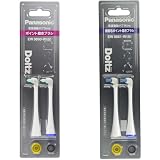
A domestic sonic model designed with Japanese dental structure and oral conditions in mind. It combines horizontal linear sonic vibration with fine micro-vibrations to target buildup in periodontal pockets and between teeth. It also offers a wide range of brush head types, including ultra-fine bristles and wide heads, so you can choose based on your specific needs.
What's good
- Replacement heads are easy to find, helping keep running costs down
- Mode design specifically targets periodontal pocket care
- A wide variety of head options makes it easy for a family to share
Points to watch
- Smart features like app connectivity are more limited compared to overseas brands
Best for: Anyone who has been told by a dentist about gum recession or periodontal pockets, and who also cares about long-term running costs.🛒 Check the price →
Braun Oral-B Pro 3 3000
A staple entry-to-mid-tier rotating model. It offers three modes and includes a pressure sensor that lights up the handle when you're pressing too hard — directly addressing the most common electric toothbrush mistake, applying too much pressure, right from the start.
What's good
- Built-in pressure sensor helps even first-time users learn the right amount of force
- Delivers the satisfying, tactile brushing feel of rotating models at an entry-level price
- Wide range of compatible replacement heads
Points to watch
- No display or app connectivity
- Operating noise can feel slightly louder compared to higher-end models
Best for: Anyone looking for a solid first electric toothbrush that covers the essentials without extra features.🛒 Check the price →
Philips Sonicare ProtectiveClean
An entry-to-mid-tier Sonicare model that delivers the core benefits of sonic brushing in an easy-to-use package. It tracks brush head usage and signals with a light when it's time for a replacement, helping prevent a drop in cleaning performance from forgetting to swap heads.
What's good
- The replacement reminder prevents you from continuing to use worn-out bristles
- Delivers the mild sonic brushing feel at a more accessible price point than the top-tier models
- Simple design makes operation intuitive
Points to watch
- Minimal mode selection, so fine-tuning isn't really possible
Best for: Anyone who wants to try a sonic toothbrush without committing to a flagship model. A solid, dependable choice for a first upgrade.🛒 Check the price →
Panasonic Pocket Doltz EW-DS32
A slim, battery-powered model built entirely around portability. With its cap attached, it looks like a pen and fits easily in a pouch or shirt pocket. Its sonic vibration cleans effectively even in short sessions, elevating the quality of your brushing while you're out.
What's good
- Battery-powered, so there's no worry about running out of charge — great for travel and business trips
- Pen-sized form factor makes it almost effortless to carry
- Works well as a secondary brush alongside a rechargeable main unit
Points to watch
- Vibration power and mode selection are more limited compared to full-sized rechargeable models
- Vibration can feel weaker as the battery wears down
Best for: Anyone who wants to brush at the office or on the go after lunch, or as a secondary unit for people who travel frequently.🛒 Check the price →
Colgate E1 Smart Electric Toothbrush
A smart model that pairs sonic vibration with app connectivity. It tracks brushing coverage and duration, visualizing frequently missed areas in the app. Game-like feedback turns daily brushing from something done "on autopilot" into something you actively improve using data.
What's good
- Lets you review your brushing through numbers and history
- Makes it easier to stay motivated and build a consistent habit
- The handle itself is easy to use despite the smart features
Points to watch
- Much of the appeal fades if you don't use the app, leaving it closer to a basic sonic toothbrush
- Replacement head availability in Japan isn't as strong as major domestic or leading global brands
Best for: Anyone who wants an objective look at their brushing habits, or who wants to visualize brushing habits for children or the whole family.
How to Choose by Use Case and Goal
First-time electric toothbrush buyers
Start with an entry-level model that has a pressure sensor. If you want to try the satisfying feel of a rotating brush, View on Amazon → is a solid choice; if you'd rather ease into it with gentler gum stimulation, View on Amazon → is a safe pick. Confirming which drive type suits you before moving to a higher-end model may feel like a detour, but it's actually the fastest path.
Buyers focused on running costs
If you want to factor in both head availability and price range, View on Amazon → is a strong option. Its wide variety of head types means a family can share one handle without needing to buy multiple units.
Buyers focused on gum and periodontal pocket care
Sonic is the clear choice here — either View on Amazon → or View on Amazon →. If a dentist has flagged issues with your gum condition, be sure to start with a gentler mode.
Enthusiasts who want to use every feature
View on Amazon → is the top-tier choice. Since it goes as far as visualizing missed spots, it's the most direct answer for anyone worried about whether they're really brushing thoroughly.
Anyone who wants to brush on the go
Consider View on Amazon → as a secondary unit. It's most comfortable to keep a rechargeable model as your main brush at home and split the roles.
Anyone who wants to improve habits through data
An app-connected model like View on Amazon → is a good fit. Having a record naturally tends to extend your brushing time.
FAQ
Q. Rotating or sonic — which should I ultimately choose?
The right answer depends on your goal. If you want to thoroughly remove surface plaque and stains, a rotating brush that cleans each tooth individually is a great fit. If you're focused on care along the gumline and between teeth and want a milder sensation, sonic is the better choice. If your gums feel like they're receding, it's safest to start with the gentle mode on a sonic model.
Q. How often should I replace the brush head?
The general guideline is about every three months. As the bristles splay outward, the contact area on your teeth and between them changes, reducing cleaning efficiency. Even before three months, if the bristles visibly flare outward, that's a sign it's time to replace. If you tend to forget, choosing a model with a replacement reminder makes it easier to stay on track.
Q. Can I still use toothpaste with an electric toothbrush?
Yes, but it's generally recommended to avoid toothpaste with a high abrasive content. Because electric toothbrushes vibrate strongly, the abrasive effect tends to be more pronounced, so low-abrasive or abrasive-free gel formulas tend to pair well. Also, using too much toothpaste can create excess foam that makes it hard to notice missed spots, so it's best to start with a small amount.
Q. Does brushing harder clean better?
No — it actually has the opposite effect. Electric toothbrushes are designed so the vibration does the work when lightly pressed against your teeth; pressing hard dampens the vibration and actually reduces cleaning efficiency. It can also damage your gums and wear down the tooth surface over time. Models with a pressure sensor will alert you when you're pressing too hard, making it easier to develop the right technique.
Q. How long does the handle itself last?
There's no fixed lifespan, but the internal battery degrades over time, so after a few years of use, the number of days you can go on a full charge tends to shrink. If you notice "it loses charge quickly even after charging" or "the vibration has clearly weakened," that's a sign it's time to replace the unit. Since most models don't support battery replacement, it helps to plan for a replacement every few years from the time of purchase.
Summary
Here are the four criteria that matter most when choosing an electric toothbrush.
With that in mind, here are the conclusions by reader type once more. For your first electric toothbrush, go with View on Amazon → or View on Amazon →. For a balance of low running costs and gum care, choose View on Amazon →. For a beautifully designed, top-tier sonic experience, go with View on Amazon →. For enthusiasts who want to use every feature available, View on Amazon → is the choice. For a portable secondary unit, consider View on Amazon →, and if you want to improve your habits using data, go with View on Amazon →.
An electric toothbrush only delivers results through consistent daily use, not from the moment you buy it. That's exactly why you should prioritize the factors that make it easy to stick with — a gentle sensation and easy access to replacement heads — over anything else.



![Nail Care Tools Comparison Ranking [2026 Latest]: A Complete Buying Guide](/images/eyecatch/articles/nail-care-products-ranking-2026.png)

![[2026 Latest] Shampoo Comparison: Best-Selling Drugstore and Salon Picks Ranked](/images/eyecatch/articles/shampoo-comparison-2026-best-ranking.png)
