

Are You Choosing the Wrong Socks for Evening Leg Swelling?
If you spend your day standing or sitting at a desk, you may notice your shoes feel tighter by evening as your legs swell. Searching for compression socks to fix this often leads to confusion — packaging is covered in unfamiliar terms like hPa (a pressure unit) and "graduated compression," making it hard to know which pair to choose.
What makes it trickier is that "nighttime" and "daytime" compression socks use completely different pressure designs. Not knowing this distinction can lead to frustrating results: socks too tight to sleep in, or daytime socks worn to bed that leave your legs numb.
This article breaks down the key criteria for choosing compression socks, then compares seven popular Amazon products by use case. By the end, you should be able to identify which pair fits your needs and lifestyle.
How to Choose Compression Socks: 4 Criteria for Getting It Right
Choose Based on Use Case (Nighttime vs. Daytime)
Compression socks generally fall into two categories — "nighttime" and "daytime (for active use)" — and the pressure distribution is reversed between them.
- Nighttime socks: Compression is strongest at the ankle and gradually eases toward the thigh. Since blood flow faces less strain lying down than standing, this graduated design helps address circulation and lymphatic buildup while you sleep.
- Daytime socks: Designed with even to moderately graduated compression, built for walking and standing. Excessive tightness can actually interfere with walking.
Wearing nighttime socks during the day can feel overly restrictive and hinder movement. Wearing daytime socks to bed may not deliver the intended benefits, or could even impede circulation. Always check the packaging or product description for "nighttime" or "daytime" labeling before buying.
Check the Compression Strength (hPa Rating)
Compression socks are often labeled with a pressure value at the ankle (in hPa or mmHg), which serves as a guide to how tight the product will feel.
If you're new to compression socks, or your swelling is mild, it's safer to start with light to moderate compression. Stronger compression doesn't automatically mean better results — a level that doesn't match your legs' condition can cause discomfort or even poor circulation. Products registered as medical devices tend to have stronger compression by design, so first-time users should be especially cautious when selecting these.
Match the Size Chart to Your Actual Leg Measurements
Fit has a major impact on how satisfied you'll be with compression socks. Most products offer sizing based on calf circumference, ankle circumference, and height, so measuring yourself with a tape measure before buying is the best way to avoid a poor fit.
A size that's too tight can restrict circulation, while one that's too loose won't deliver adequate compression. Since you can't try socks on before buying online, always check the size chart, and when in doubt, pick the size closest to your actual measurements rather than sizing up.
Choose by Fabric Thickness, Material, and Type (Socks / Stockings / Tights)
Compression socks come in several forms, from ankle-length to long socks, as well as stocking and tights styles.
- Sock type: Wearable on its own like a regular sock, available in both nighttime and daytime versions.
- Stocking type: A more natural look, well-suited to office settings and outfits with dress codes.
- Tights type: Good for those who also want extra warmth.
Fabric thickness also matters depending on the season and occasion. Thinner fabrics are less noticeable under shoes or clothing, while thicker fabrics tend to offer better warmth. Picture your intended use case and setting when choosing a type.
Spec Comparison Table
| Product | Type / Length | Intended Use | Compression Design Tendency |
|---|---|---|---|
| MediQtto Sleep MediQtto Long | Sock, long length | Nighttime | Graduated compression, strongest at ankle, easing upward |
| Slim Walk Beautiful Leg Long | Sock, long length | Daytime (commuting, standing work) | Daytime design that doesn't hinder walking |
| Dr. Scholl's Flight Socks | Sock, long length | Travel / commuting | Graduated compression designed for long periods of sitting |
| MediQtto Medical Lymph Care | Sock, long length | Nighttime (for stronger compression) | Registered medical device type with stronger compression |
| Atsugi Compression High Socks | Sock, high-sock length | Everyday use | Light daytime compression care |
| Belmis Slim Tights | Tights | Daytime, any season | Compression design focused on a slimming feel |
| Gunze Sabrina Compression Stockings | Stocking | Office / daytime | Combines a natural look with compression |
7 Recommended Compression Socks
The Nighttime Staple: MediQtto Sleep MediQtto Long
Designed for nighttime use, these graduated compression socks apply varying pressure from the ankle to the calf. The long length extends compression coverage up to above the knee.
Pros
- Graduated compression design built specifically for nighttime use
- Long length covers a wide area
- A well-established product with a broad size range
Cons
- Not suited for daytime activity, as it's designed exclusively for sleep
- The feel of the compression varies by individual
Best for: Those bothered by heavy-feeling legs in the morning who want nighttime care.🛒 Check the price →
For Daytime Standing Work and Commuting: Slim Walk Beautiful Leg Long
Long socks designed with daytime activity in mind. Since they're built for walking and standing, the compression pattern differs from nighttime versions.
Pros
- Designed specifically for daytime wear
- Long length supports the entire leg
- Thin options available that stay discreet under clothing
Cons
- Not suited for nighttime use
- Thicker versions may feel snug inside shoes
Best for: People who want compression care all day during commutes or standing work.🛒 Check the price →
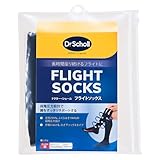
For Long Periods of Sitting While Traveling: Dr. Scholl's Flight Socks
Designed for situations involving long stretches of sitting, such as flights, bullet trains, or long-distance buses. The graduated compression supports legs during periods of minimal movement.
Pros
- Designed with prolonged sitting in mind
- Portable sock format
- Convenient as a standalone item for travel or business trips
Cons
- Optimized more for travel scenarios than everyday walking-heavy use
- An ill-fitting size may feel overly tight during a flight
Best for: Frequent flyers or long-distance travelers who want to ease leg strain during transit.🛒 Check the price →
For Those Who Want Stronger Compression: MediQtto Medical Lymph Care
Registered as a general medical device, this product offers stronger compression than typical over-the-counter compression socks. It uses graduated compression designed for nighttime use.
Pros
- Registered medical device type backed by compression standards
- Graduated compression built specifically for nighttime wear
- A solid option for those seeking stronger compression
Cons
- The strong compression may feel tight for compression sock beginners
- Because compression is stronger, precise sizing matters even more
Best for: Those who find standard compression socks insufficient and want a stronger option.🛒 Check the price →
For Everyday Use on a Budget: Atsugi Compression High Socks
High-sock length compression socks suited for everyday wear. Designed for daily use, they're priced to make it easy to rotate through multiple pairs.
Pros
- Price point makes daily wear and restocking easy
- High-sock length pairs well with most shoes and outfits
- Compression design backed by a stocking brand's expertise
Cons
- Compression coverage is limited to below the knee compared to long-length types
- May feel insufficient for those seeking stronger compression
Best for: Budget-conscious people who want to keep up compression care every day.🛒 Check the price →
For a Slimming Feel and Style: Belmis Slim Tights
A tights-style compression item designed to emphasize a slimming feel throughout the leg. Well-suited for those who also want warmth or are drawn to its design, which has gained attention on social media.
Pros
- Tights format combines warmth with compression care
- Compression design focused on a slimming effect
- Stylish design that also works as a fashion item
Cons
- As a tights item, it may feel warm or humid in hotter seasons
- The feel of the compression varies by individual
Best for: Those who want warmth along with a slimming leg effect.🛒 Check the price →
For a Natural Look at the Office: Gunze Sabrina Compression Stockings
A stocking-style compression item with a natural appearance, making it easy to wear with any outfit. Designed with office settings in mind.
Pros
- Stocking format with a natural look
- Pairs well with both business casual and formal wear
- Knitting expertise from a long-established stocking brand
Cons
- Higher risk of runs compared to sock-style options
- Compression strength tends to be milder than some sock-type products
Best for: Those who want to naturally incorporate compression stockings into their work attire.
How to Choose by Purpose
- Want lighter legs in the morning: Start with the nighttime "MediQtto Sleep MediQtto Long."
- New to compression socks: The daytime "Slim Walk Beautiful Leg Long" or "Atsugi Compression High Socks," with gentler compression, are good starting points.
- Frequent flyer or long-distance traveler: "Dr. Scholl's Flight Socks," designed specifically for travel.
- Found standard products lacking: "MediQtto Medical Lymph Care," a registered medical device type.
- Want to wear them every day, affordably: "Atsugi Compression High Socks," easy to restock.
- Want warmth plus style: The tights-style "Belmis Slim Tights."
- Want to wear them naturally at the office: The stocking-style "Gunze Sabrina Compression Stockings."
FAQ
Q. What happens if I mix up nighttime and daytime compression socks?
Nighttime socks are designed with the strongest compression at the ankle, so wearing them during daytime walking can feel restrictive and cause discomfort from excessive tightness. Conversely, using daytime socks at night doesn't provide the graduated compression suited to a lying-down posture, so you're less likely to get the intended benefit. Always check the labeled use case before wearing them.
Q. How do I measure my size?
Most products offer sizing based on calf circumference, ankle circumference, and height. Measure yourself with a tape measure and match the results against each product's size chart. Since leg circumference varies between times of heavy swelling and calmer periods, using your average leg size as a reference helps avoid sizing mistakes.
Q. Do compression socks wear out? How should I care for them?
Because compression socks use stretch materials like rubber and polyurethane, their compression strength gradually weakens with repeated washing and wear. Most products recommend hand washing or machine washing in a laundry net, and using a dryer is best avoided since it can damage the material. When you notice the compression weakening, it's time to replace them.
Q. What should I do if I feel numbness or pain?
If you experience numbness, significant pain, or skin discoloration while wearing compression socks, stop using them immediately. This could mean you've chosen a size that's too tight, or that compression socks aren't suitable for your body type or a pre-existing condition. Anyone with a medical condition or who is pregnant should consult a doctor before use.
Q. Should I choose the stocking type or the sock type?
The choice generally comes down to outfit and occasion. For situations where a natural appearance matters, such as office settings, stockings are a good fit; for standalone wear as a sock or when stronger compression is a priority, the sock type is better suited. Those who want to avoid the risk of runs also tend to prefer the sock type.
Summary
Here are the four key criteria for choosing compression socks without regret:
By reader type: if you want lighter legs in the morning, try the nighttime "MediQtto Sleep MediQtto Long." First-time users or those who want daily wear should look at the daytime "Slim Walk Beautiful Leg Long" or "Atsugi Compression High Socks." Frequent travelers should consider "Dr. Scholl's Flight Socks." Those seeking stronger compression can turn to "MediQtto Medical Lymph Care." And if design and office suitability matter most, the "Belmis Slim Tights" or "Gunze Sabrina Compression Stockings" are strong candidates. Match your choice to your concerns and lifestyle, and start with a compression level that feels comfortable for you.



![[2026 Latest] Exercise Ball Reviews & Ratings Roundup | A Thorough Comparison of Popular Products](/images/eyecatch/articles/balance-ball-reviews-2026.png)
![[2026 Latest] Blood Pressure Monitors Compared: Rankings and Buying Guide](/images/eyecatch/articles/blood-pressure-monitor-comparison-2026.png)
![[2026 Latest] Posture Corrector Belts Compared: 7 Top Picks Reviewed](/images/eyecatch/articles/posture-correction-belt-comparison-2026.png)
![[2026 Latest] Pedometer Comparison Guide: Rankings and How to Choose the Best One for You](/images/eyecatch/articles/pedometer-comparison-2026.png)